


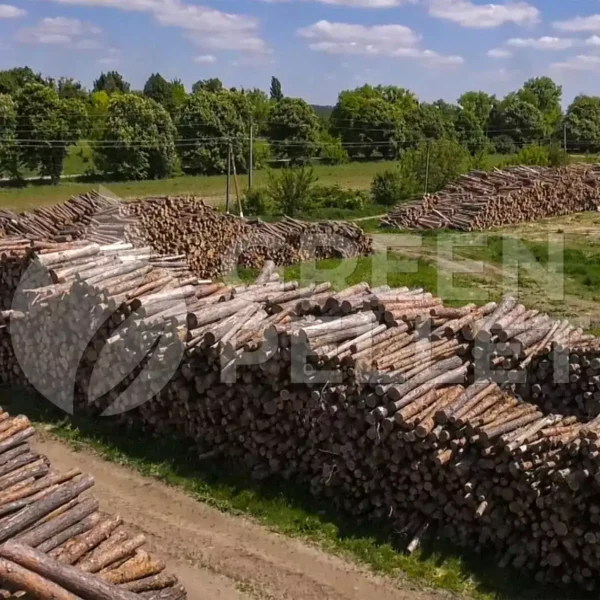
Pellets are becoming an increasingly popular energy source due to their many advantages. They are made from biomass, usually wood industry waste such as sawdust, shavings and other wood waste. This process turns waste into a valuable resource, making pellets an environmentally friendly and cost-effective fuel.
Production of wood pellets
Pellet production includes several stages. First, the raw materials are crushed and dried to the optimal moisture level. Then the material enters a special press, where it is formed into pellets under high pressure and temperature. These pellets are cooled and packaged for further use.
Advantages
- Eco-friendly: Pellets are made from renewable resources and have a low carbon content, which reduces greenhouse gas emissions when burned.
- Efficiency: High density and low moisture content of pellets ensures high calorific value and makes them an efficient source of energy.
- Cost-saving: Pellet production facilitates the disposal of woodworking waste, which reduces disposal costs and creates additional sources of income.
Applications
Pellets are used as fuel for heating private houses, commercial buildings and industrial facilities. They can be used in special pellet boilers and fireplaces, which provide efficient and uniform burning. In addition, pellets are easy to transport and store, which makes them a convenient option for consumers.
Conclusion
Pellets are an important element of sustainable energy development. Their production and use contribute to reducing dependence on fossil fuels, minimizing carbon emissions and promoting rational use of resources. Thanks to their numerous advantages, pellets are becoming an integral part of the modern energy system, which contributes to environmental safety and economic stability.